



Eco-Friendly Flour: Why European Brands Are Leading the U.S. Market
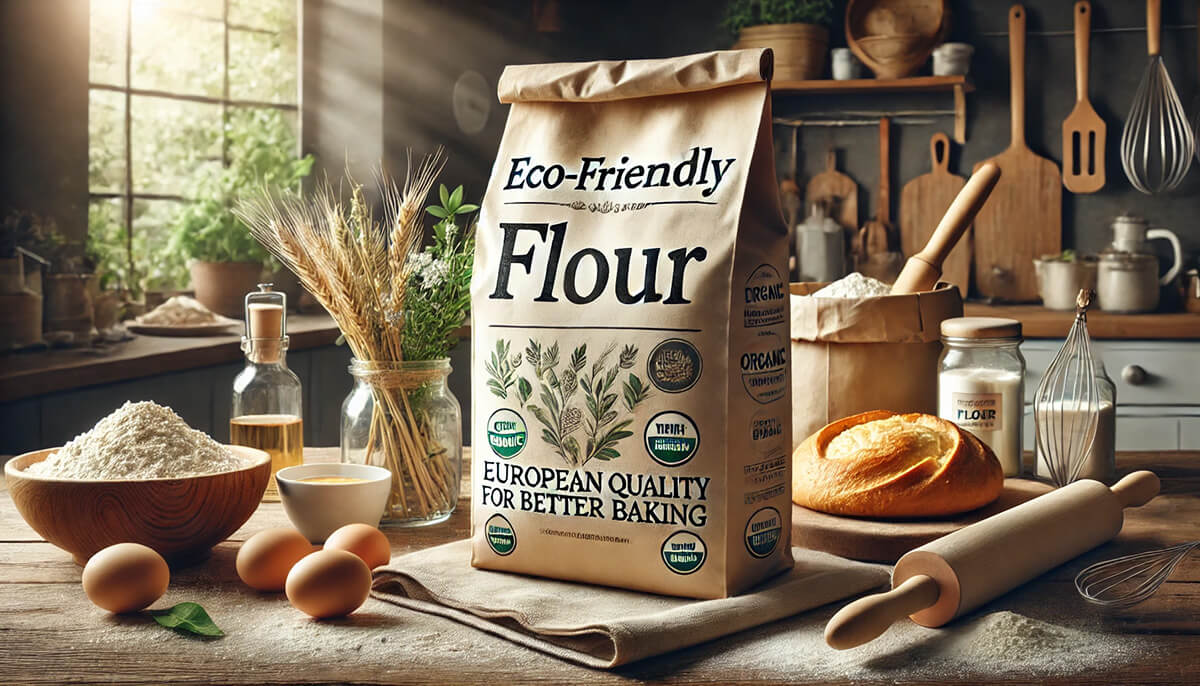
In recent years, there has been a significant shift in consumer preferences toward sustainable and eco-friendly products, including flour. European flour brands have emerged as leaders in the U.S. market, setting benchmarks in quality, sustainability, and innovation.
Commitment to Sustainable Agriculture
European flour producers prioritize eco-friendly farming practices, such as crop rotation, reduced pesticide use, and organic farming methods. These practices enhance soil health and biodiversity, resulting in higher-quality grains. Their commitment to sustainability resonates with consumers looking for environmentally friendly choices.
Strict Quality Standards
The European Union enforces rigorous regulations on food production, ensuring that flour products are free from harmful additives and meet high safety standards. This dedication to quality appeals to U.S. consumers seeking healthier and more natural baking ingredients.
Innovative Milling Techniques
European millers often employ traditional milling methods combined with modern technology to produce flours with unique textures and flavors. This innovation caters to the diverse culinary needs of American bakers, from artisanal bread to delicate pastries.
Eco-Friendly Packaging
Sustainability extends beyond production to packaging. European brands frequently use recyclable or biodegradable materials, appealing to environmentally conscious consumers in the U.S.
Market Presence and Accessibility
European flours, such as Italian tipo "00" and French T65, are increasingly available in U.S. specialty stores and online platforms. Their growing presence reflects the rising demand for diverse and high-quality baking ingredients among American consumers.
Consumer Trust and Brand Reputation
European brands have built strong reputations for quality and sustainability. U.S. consumers trust these brands to deliver products that align with their health and environmental values, further solidifying their market leadership.
In conclusion, European flour brands have successfully captured the U.S. market by emphasizing sustainable production, adhering to strict quality standards, and meeting the evolving preferences of American consumers. Their dedication to eco-friendly practices and high-quality products positions them at the forefront of the flour industry in the United States.